
Strategic Planning for Medium-Sized Enterprises
Discover how strategic planning can transform mid-sized companies by aligning objectives and strategies to achieve sustainable success and continuous growth
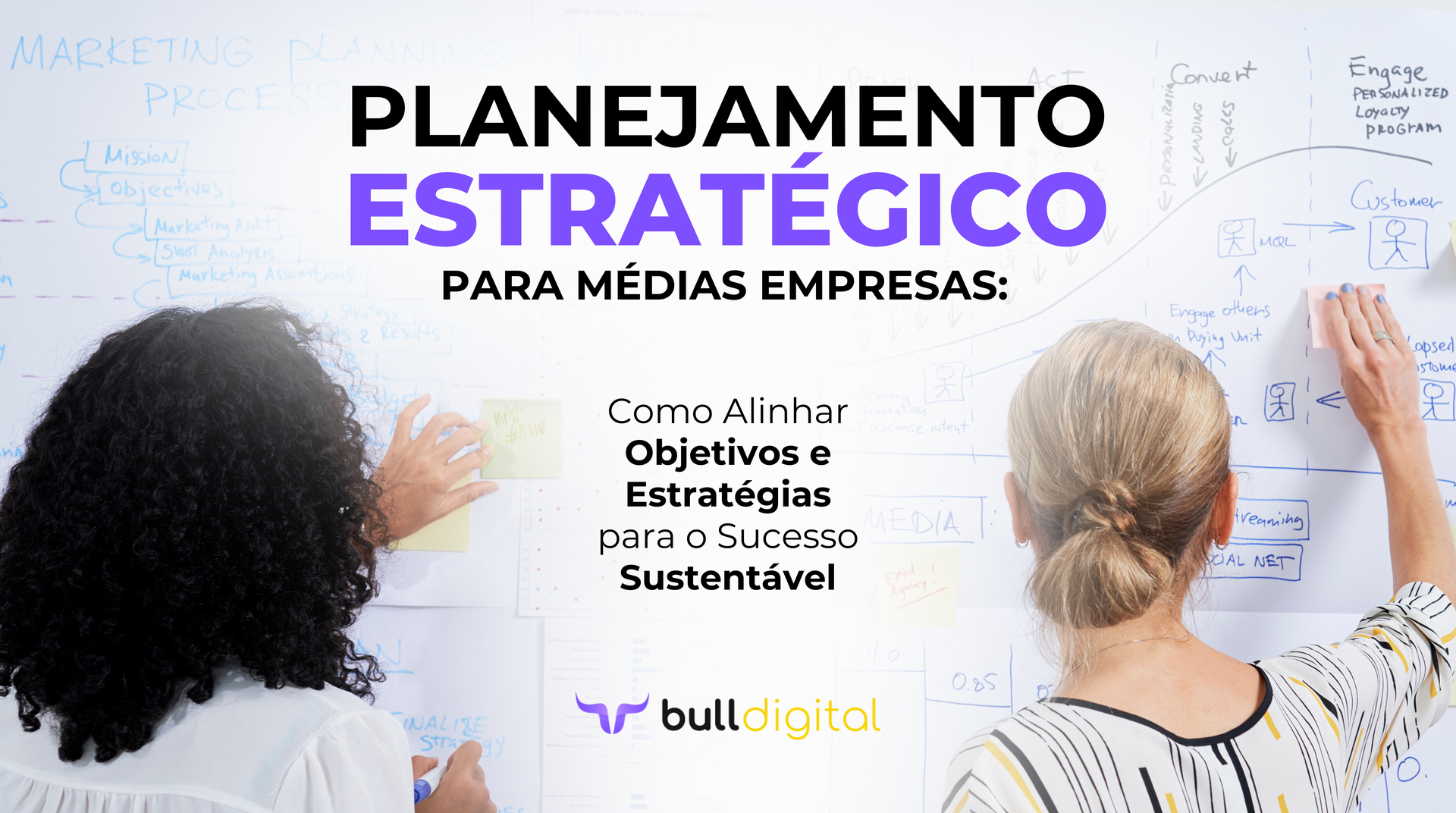
Strategic Planning for Mid-Sized Companies: How to Align Objectives and Strategies for Sustainable Success
Strategic planning is a fundamental tool for any company seeking growth and sustainability. For mid-sized companies in particular, where resources may be limited and market shifts have a significant impact, effectively aligning objectives and strategies can be the key to long-term success. In this article, we explore how mid-sized businesses can formulate and implement efficient strategic planning to ensure a promising future.
The Importance of Strategic Planning
Strategic planning goes beyond simply setting goals. It involves a deep understanding of the environment in which the company operates, defining a clear direction, and implementing concrete actions to achieve established objectives. For mid-sized companies, the importance of this planning lies in its ability to:
- Direct resources efficiently: Strategic planning helps prioritize investments and efforts, ensuring that resources are allocated in a way that maximizes results.
- Anticipate and mitigate risks: It allows the company to identify potential challenges and prepare strategies to face them before they become crises.
- Foster innovation: By analyzing market trends and opportunities, strategic planning encourages the company to innovate and adapt quickly.
Fundamental Steps for Effective Strategic Planning
Developing a robust strategic plan involves several interconnected steps that form a solid foundation for organizational success.
1. Situational Analysis
Before planning for the future, it is essential to understand the company's current position. Situational analysis includes:
- SWOT Analysis (Strengths, Weaknesses, Opportunities, and Threats): Helps the company understand its internal capabilities and external challenges.
- Market Research: Evaluates the competitive landscape, market trends, and customer needs.
- Internal Assessment: Examines the company's resources, processes, and capabilities to identify areas for improvement and growth potential.
2. Defining Vision, Mission, and Values
Establishing a clear vision, an inspiring mission, and solid values is fundamental to guiding all company actions and decisions.
- Vision: The vision defines the company's desired future state. It is an aspirational statement that guides strategic development.
- Mission: The mission describes the company's fundamental purpose and what it does for its customers.
- Values: Values reflect the principles and beliefs that guide organizational culture and behavior.
3. Establishing Strategic Objectives
Strategic objectives must be clear, measurable, and aligned with the company's vision and mission. Objectives should be SMART:
- Specific: Detailed and concrete.
- Measurable: Assessable through clear metrics.
- Achievable: Realistic, considering the company's resources and capabilities.
- Relevant: Aligned with the company's vision and mission.
- Time-bound: Defined with specific deadlines.
4. Developing Strategies
Once objectives are defined, it is essential to develop strategies to achieve them. Strategies may include:
- Market Growth: Expanding into new segments or regions.
- Differentiation: Offering unique products or services that stand out from competitors.
- Operational Efficiency: Improving internal processes to reduce costs and increase productivity.
Implementation and Execution
Transforming a strategic plan into reality requires efficient execution, which includes clear communication, continuous monitoring, and rapid adaptation.
1. Communication and Engagement
For a strategic plan to be successful, all employees must be aligned and engaged. This includes:
- Clear Communication: Ensuring everyone understands the objectives, strategies, and their specific roles.
- Employee Involvement: Encouraging active participation from all levels of the organization in the implementation process.
2. Monitoring and Evaluation
Continuous progress monitoring is essential to ensure the company stays on track to achieve its goals.
- Key Performance Indicators (KPIs): Use KPIs to evaluate progress against strategic objectives.
- Regular Reviews: Conduct periodic meetings to review progress, discuss obstacles, and adjust strategies as necessary.
3. Flexibility and Adaptation
The business environment is dynamic, and the company must be able to adapt quickly to changes.
- Rapid Adaptation: Adjust the strategic plan in response to new information, market shifts, or customer feedback.
- Continuous Feedback: Collect and analyze feedback from employees and customers to make necessary adjustments.
Tools and Technologies to Support Strategic Planning
Using appropriate tools and technologies can facilitate the planning and execution process.
Planning Software
Tools like Microsoft Power BI and Tableau help with data analysis and the visualization of performance metrics, allowing for more informed decisions.
Communication Platforms
Platforms like Slack and Microsoft Teams are essential for maintaining effective communication and facilitating collaboration between teams.
Management Systems
Tools like Trello and Asana are useful for tracking tasks and projects, ensuring that all steps of the strategic plan are executed in an organized and efficient manner.
Conclusion
Strategic planning is a continuous and vital process for mid-sized companies aiming to achieve sustainable success. Aligning objectives and strategies not only provides a clear direction but also prepares the company to face challenges and seize opportunities. With a solid situational analysis, clear vision and mission definition, SMART goal setting, effective strategy development, and well-monitored, adaptable execution, mid-sized companies can build a robust foundation for consistent and sustainable growth.
Get in touch with us and discover how we can transform your strategic planning into an effective and personalized action plan capable of achieving the best results.